
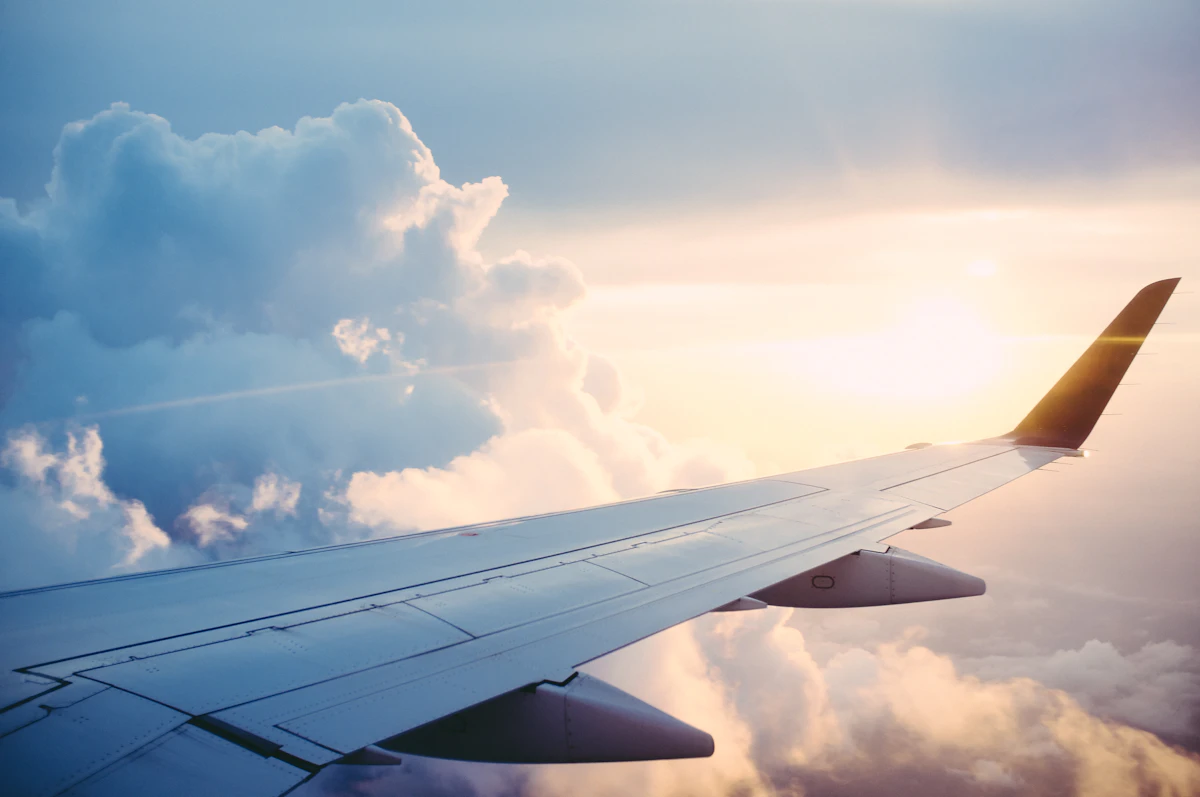
The fear of flying (aerophobia) is a common fear that affects a considerable share of adults. For some, the weeks before a flight are sleepless; others put off holidays, job opportunities or visiting loved ones entirely. The good news: the fear of flying is one of the fears most successfully addressed with CBT methods.
1. Find out what your fear is about
The fear of flying isn't one single thing. Ask yourself: what am I really afraid of?
- The plane crashing?
- Being in an enclosed space and unable to get out?
- Having a panic attack on the plane and losing control?
- The bodily sensations felt during turbulence?
Knowing the focus of your fear determines which steps to concentrate on.
2. Feed your mind with accurate information
Anxiety feeds on uncertainty. Learning how planes fly, why turbulence happens and how pilots are trained helps many people. For example, turbulence is caused by waves in the air, and modern aircraft are designed to withstand these movements. Commercial aviation is statistically considered one of the safest ways to travel.
3. Catch and question catastrophic thoughts
Write down the automatic thoughts that come to mind when you think about flying. Then ask these questions for each one:
- What evidence supports this thought, and what doesn't?
- What are the worst, best and most likely scenarios?
- What would I say to a friend who had the same thought?
The goal isn't to force yourself into positive thinking but to develop a more balanced perspective.
4. Build breathing and relaxation skills
In the weeks before your flight, regularly practice methods such as slow diaphragmatic breathing or the 4-7-8 breathing technique. Learning these skills at calm times makes it easier to reach for them in anxious moments.
5. Build a gradual exposure ladder
Plan small steps toward flying. A sample ladder:
- Watching videos of planes taking off
- Listening to cockpit and cabin sounds
- Going to the airport and watching planes take off
- A flight simulator or virtual reality experience
- Buying a ticket for a short domestic flight
- Taking a short flight
- Taking a longer flight
Stay in each step until your anxiety clearly decreases, and repeat if necessary. For more on building your ladder, see our anxiety ladder guide.
6. Plan the day of your flight
- Get to the airport early; avoid the anxiety that builds when you rush.
- Cut down on caffeine and eat light.
- Choose an aisle seat or a seat over the wing; seats over the wing usually feel less movement.
- Don't hesitate to tell the cabin crew you're anxious; they're experienced with this.
- Plan an activity that will distract you without becoming a tool for avoidance.
7. Record your success and keep going
After the flight, write down how you felt and whether the things you feared happened. This record gives your brain strong evidence before your next flight. Not leaving too long a gap between flights also helps you keep your gains.
What should you do if you have a panic attack on a plane?
If you have a panic attack on a plane, first remind yourself that it's a panic attack and that it isn't dangerous; a panic attack usually peaks and subsides within a few minutes. These steps can help:
- Name it: "This is a panic attack. It's frightening, but it isn't dangerous. It will pass."
- Lengthen your exhale: Breathe in through your nose for 4 seconds and out slowly through your mouth for 6 seconds.
- Let your body rest in the seat: Press your feet into the floor, hold the armrest and notice its texture.
- Turn your attention outward: Count 5 things in the cabin and 3 sounds you can hear.
- Tell the cabin crew: Don't hesitate to say you're anxious; they're experienced with this and can bring you water and stay with you.
We explain panic attacks in detail in our article what is a panic attack.
Can you take medication or a sedative for the fear of flying?
Medication or sedatives for the fear of flying should only be considered after an assessment by your doctor. Some sedatives may bring short-term relief, but they can cause drowsiness and problems with attention and balance, shouldn't be combined with alcohol, and can weaken the learning process that makes the fear decrease lastingly. Never take medication prescribed for someone else. In the long run, gradual exposure and CBT techniques are a more lasting way to reduce the fear.
When should you get professional help?
If your fear of flying seriously affects your work or family life, if even thinking about flying triggers a panic attack, or if you've had a difficult flight experience in the past, getting support from a mental health professional is the right step. Some airlines and clinics also offer programs specifically for the fear of flying.
Remember: the goal isn't to feel no anxiety at all, but to be able to fly despite it.
Frequently Asked Questions
Is turbulence dangerous?
Turbulence is mostly uncomfortable but not dangerous. Commercial aircraft are designed to withstand these air movements; keeping your seat belt fastened is the most important precaution.
Should I take medication for the fear of flying?
Medication should only be considered on a doctor's advice. Although some sedatives bring short-term relief, they can weaken the learning process that makes the fear decrease lastingly.
What happens if I have a panic attack on a plane?
Although a panic attack is very uncomfortable, it isn't dangerous and usually peaks and subsides within a few minutes. Breathing slowly and observing the sensations helps the attack pass; you can also ask the cabin crew for support.
Which seat feels the least movement?
Seats in line with the wings usually feel less movement because they are close to the plane's center of gravity.
Fobim Yok is a self-help tool; it does not replace medical diagnosis or treatment. If you experience intense anxiety or panic, contact a mental health professional. In an emergency, call your local emergency number. Last updated: October 25, 2026.
You might also like
 Phobias
How to Overcome a Fear of Driving: A Step-by-Step Plan
A fear of driving (sometimes called amaxophobia) is an intense fear and avoidance of getting behind the wheel, driving on the highway or being in traffic, even when you have a license. A gradual driving plan that starts in an empty parking lot and moves through quiet streets and short routes to heavy traffic, together with questioning your thoughts, is the core way to overcome it.
 Phobias
What Is Agoraphobia? Symptoms and Facing It Step by Step
Agoraphobia is an intense fear and avoidance of situations such as public transport, crowds, or open and enclosed spaces where you believe escape would be difficult or help unavailable if panic-like symptoms occurred. Gradual exposure and CBT techniques that aim to make peace with bodily sensations are commonly used to cope with agoraphobia.
 Phobias
Fear of the Dentist (Dental Anxiety): 8 Tips to Feel Calmer in the Chair
Fear of the dentist (dental anxiety or dentophobia) is intense anxiety about dental treatment, going to the dental office or sitting in the chair, and it can lead people to put off treatment. Telling your dentist about your fear, agreeing on a 'stop' signal, starting with short appointments and using breathing techniques can help you feel calmer in the chair.